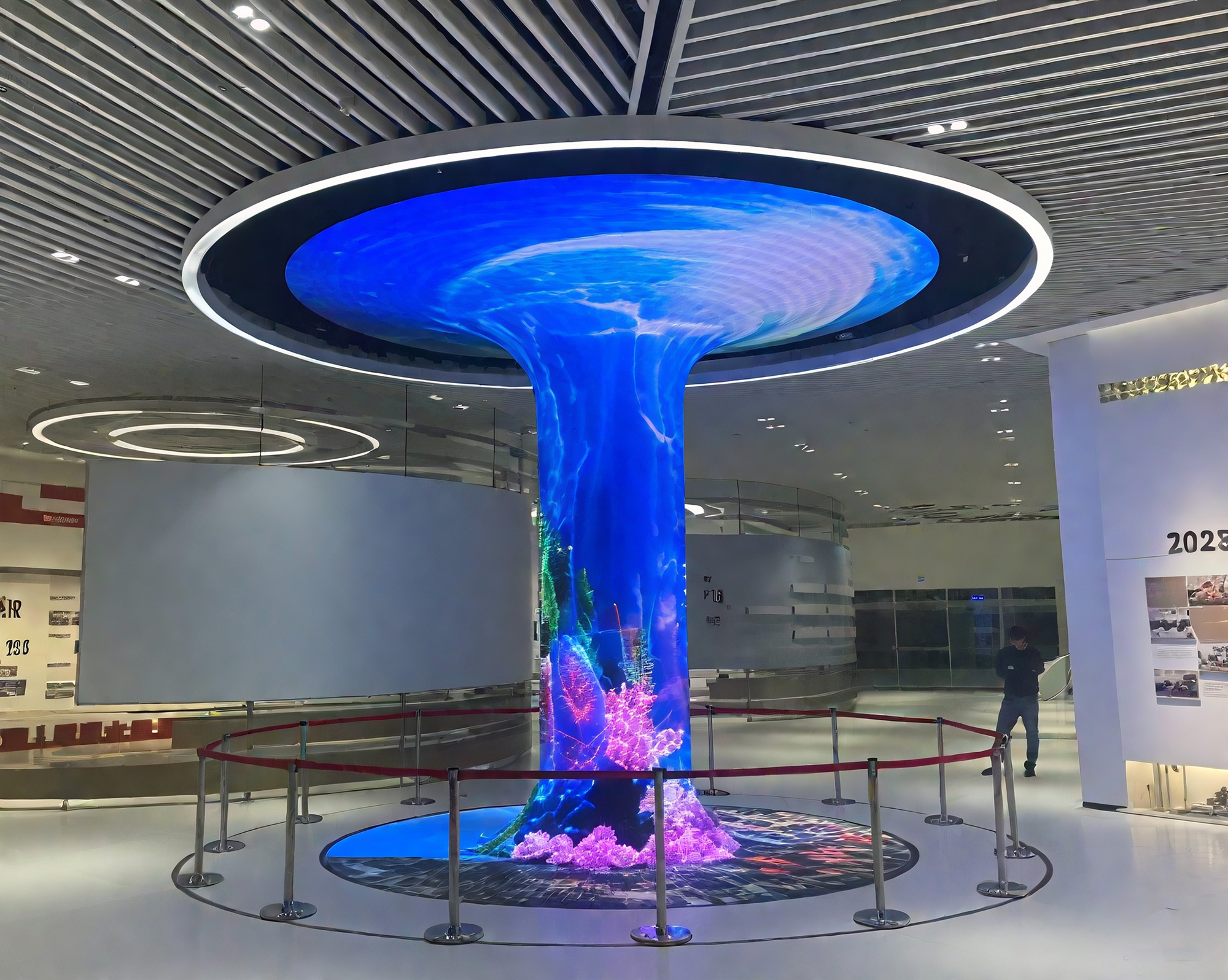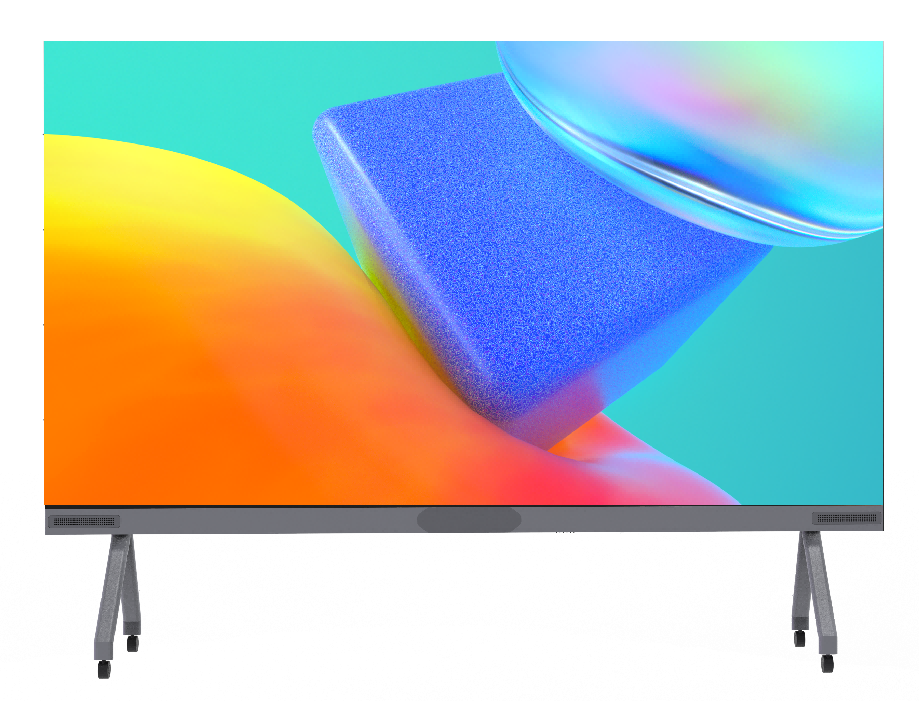
Whether it's mall lighting, store decoration, office building lighting, or advertising lightbox construction, when choosingledmodule for commercial scenarios, the three most concerning factors are: sufficient brightness, energy saving, and high cost-effectiveness. However, there are various commercialledmodule on the market with densely packed parameters. Many buyers and decoration practitioners choose from them, either due to insufficient brightness or excessive power consumption, which increases operating costs. Some even suffer from damage after six months of use, resulting in wasted money. Speaking of which, there is no need to rely on guessing when selecting commercialledmodule . By mastering a few core skills, one can easily choose energy-saving, high brightness, and cost-effective styles that meet the needs of commercial lighting while controlling long-term operating costs.
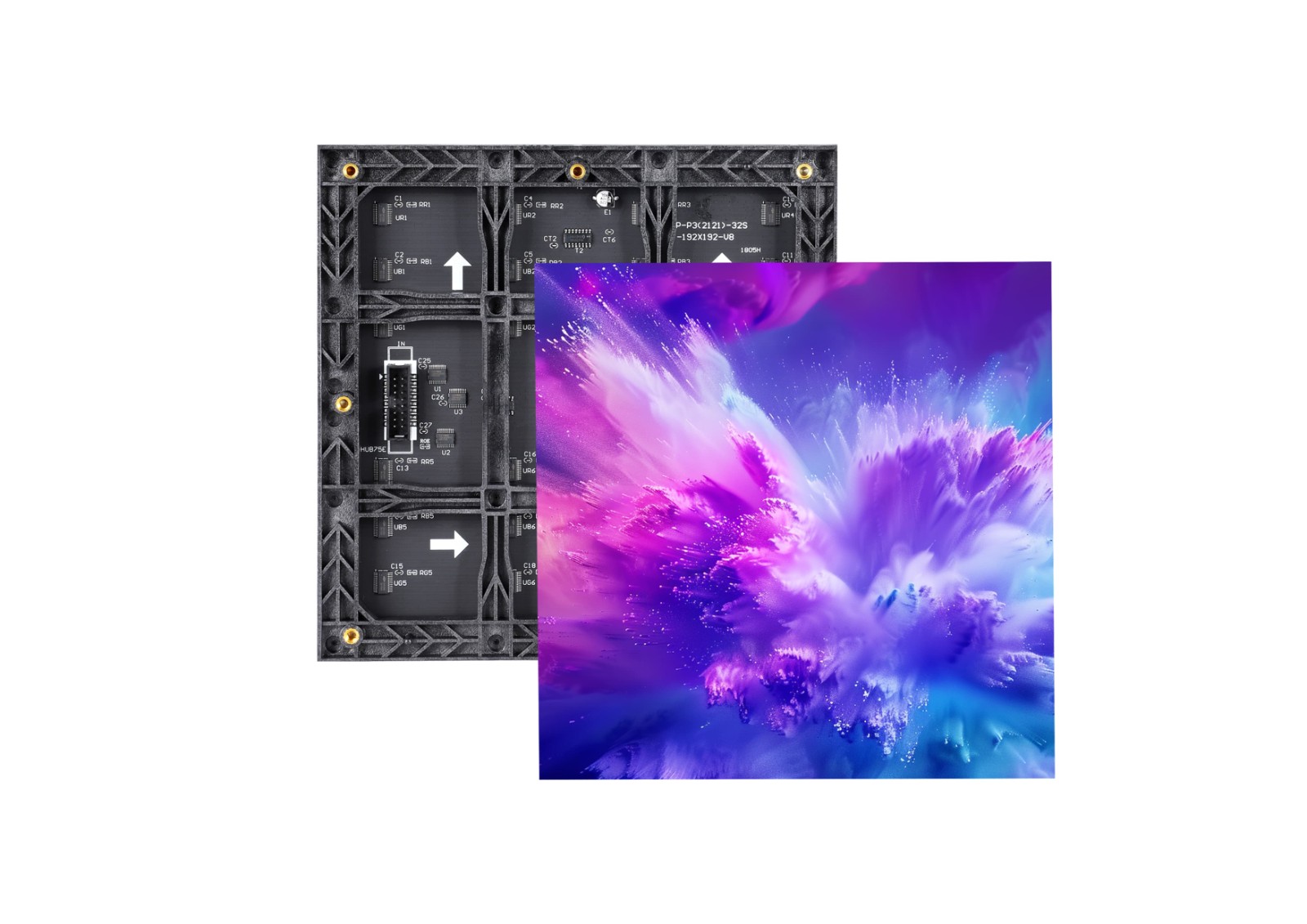
Set the scenario first: commercial selection, "targeted" to avoid waste
There are significant differences in commercial scenarios, and the lighting requirements for office corridors and shopping mall windows are not the same thing at all. Blind selection will only result in waste. For example, in shopping mall windows and jewelry counters, if you need to highlight product details, you need to choose high display finger modules, otherwise the lighting will be biased, and even the best products will appear cheap; The key to office corridors and underground garages is basic lighting, without the need to pursue high brightness. Choosing modules with equal brightness and low power consumption is sufficient.
In fact, many people fall into the trap of "one size fits all" selection, choosing the module with the highest brightness in any scene. It may seem bright, but in reality, its power consumption doubles, and in the long run, electricity bills are a significant expense. Instead of this, it is better to first clarify the usage scenario - whether it is key lighting or basic lighting, indoor or semi outdoor, and then make targeted selection. This is the first step to save money.
Focus on the core parameters: high brightness does not consume electricity, the key is to consider these two points
People always think that "high brightness consumes electricity", but in fact, the energy-saving and high brightness of commercialledmodule depend on two parameters: light efficiency and power. The higher the luminous efficiency, the higher the brightness of the emitted light at the same power. Simply put, it means' using less electricity to produce brighter light '. For example, a module with the same 10W output and a light efficiency of 120lm/W is nearly half as bright as one with a light efficiency of 80lm/W, but consumes the same amount of power.
There are also power options, the larger the better. Most commercial scenarios require long-term illumination, and for every 1W increase in power, if calculated based on 10 hours per day, the electricity bill will increase significantly over the course of a year. It is recommended to calculate the required brightness based on the scene area. For example, for a 10 square meter shop window, choosing a high-efficiency module of 10-15W is sufficient. There is no need to pursue high power above 20W, which not only wastes electricity but also increases heat dissipation pressure.
Balancing durability: Choose the right one at a time, save maintenance costs
Most commercialledmodule require long-term continuous operation, and some are even installed in outdoor or semi outdoor environments. Durability is directly related to maintenance costs in the later stage. Many people try to save money by choosing modules that are not waterproof or have poor heat dissipation. However, within a few months, problems such as burnt out light bulbs and decreased brightness can occur. Repeatedly repairing and replacing them can actually be more expensive than choosing high-quality modules.
How to determine durability? Just look at the casing and heat dissipation design. For indoor commercial scenarios, choose modules with aluminum alloy shells that have good heat dissipation and can extend their service life; For semi outdoor or humid environments, it is necessary to choose a waterproof rating of IP65 or above, which can effectively prevent rainwater and moisture, and avoid short circuit damage. Perhaps some people think that high-quality modules are a bit expensive, but using them for 3-5 years without replacement is much more cost-effective than frequently replacing cheap modules.
Avoiding selection misconceptions: Don't step on these pitfalls, save money and be more worry free
When choosing a product, many people tend to fall into two misconceptions. One is to only look at the price and think that cheap is good, but little do they know that most cheap modules use inferior LED chips and drivers, which have low light efficiency and high power consumption, and will decay soon after use, which is not worth the loss; The second is blindly pursuing high brightness, neglecting color rendering, especially for scenes such as clothing and jewelry that require the restoration of true colors. Modules with a color rendering index (CRI) below 80 will distort the color of the product and affect transactions.
In addition, attention should be paid to the compatibility of the module, such as whether it is compatible with existing drivers and whether the installation method is convenient, to avoid additional accessory costs during later installation. In fact, the core of selecting commercialledmodule is to "adapt to the scene, focus on parameters, and consider durability". There is no need to pursue high-end configurations, as long as they meet one's own needs, energy-saving, high brightness, and cost-effective styles can be selected, which not only reduces the initial procurement cost, but also reduces long-term operation and maintenance expenses.