With the iteration of digital display technology, ledspheres have long broken the limitations of traditional flat screens. With their 360° display advantage and stunning visual impact, they have become the "traffic drivers" in the fields of commerce, cultural tourism, science and education, etc. From dynamic displays in shopping mall atriums to immersive science popularization in science museums, from landscape lighting in outdoor plazas to visual enhancement in stage performances, they are everywhere. However, many people often confuse LED spherical lights with ledspheres when selecting and installing them, either choosing the wrong scenario for adaptation or ignoring installation details, leading to screen malfunctions and distorted displays. Speaking of it, the usability of ledspheres depends half on scenario adaptation and half on installation details. Today, let's have a good discussion to help everyone avoid misunderstandings and use the equipment correctly.
Diverse scene implementation: ledspheres are not just "good-looking", but also "capable"
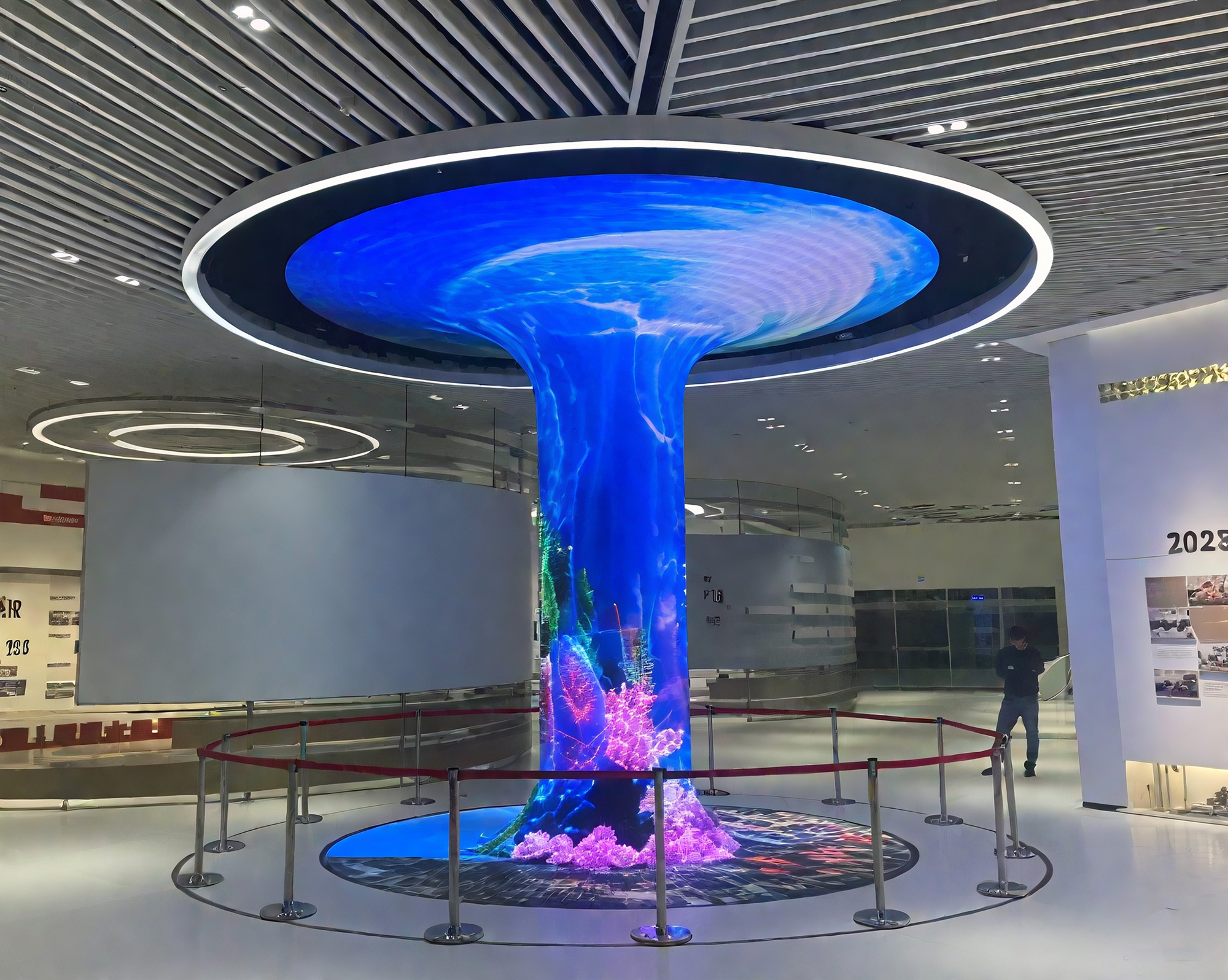
The core advantage of ledspheres lies in their ability to achieve full-view, seamless display. Screens of different specifications and pixel pitches can be precisely adapted to various scenarios, rather than simply relying on their attractive appearance. In commercial settings, hanging an ledsphere with a diameter of 3-4 meters in the atrium of a high-end shopping mall and playing promotional videos and brand advertisements in a loop can not only attract customers to stop and take a look but also enhance the mall's elegance. Data shows that such an arrangement can increase customer dwell time by over 35%.
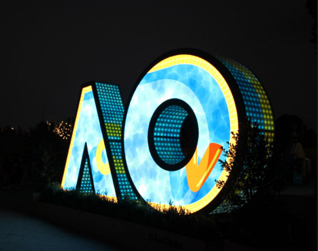
In the fields of culture, tourism, science, and education, its strength is even more prominent. Science museums use ledspheres to demonstrate the Big Bang and the movement of celestial bodies, making abstract scientific knowledge tangible and perceivable. After the introduction of such screens in a science museum in Beijing, the audience's understanding of knowledge jumped from 52% to 89%. Theme parks use giant spherical screens paired with surround sound to create an immersive flying cinema, which can increase tourists' willingness to revisit by 45%. In outdoor settings, ledspheres with a waterproof rating of IP65 or higher can be used for landscape lighting in squares and scenic areas. When lit up at night, they resemble a suspended "digital planet," creating a fully immersive atmosphere.
Before installation: Make preparations and avoid unnecessary detours
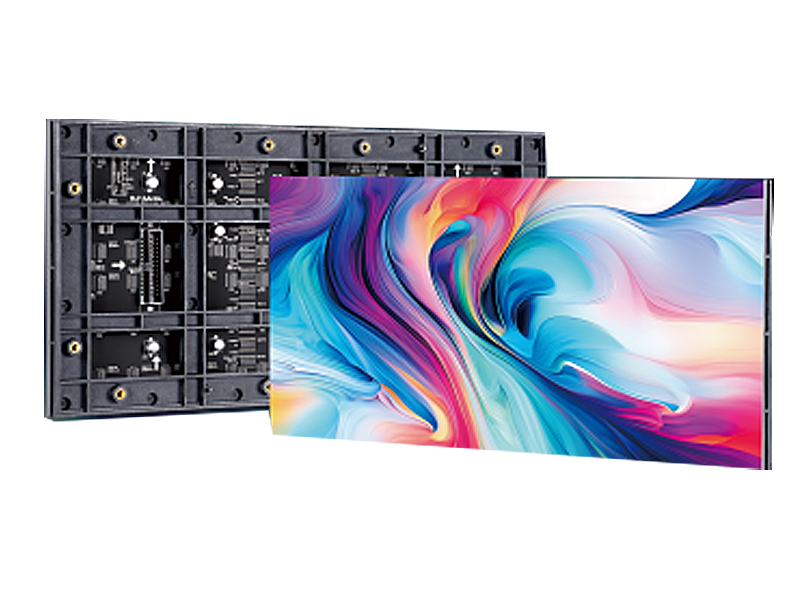
Many people install ledspheres, always thinking of "completing and using as soon as possible". However, after installation, the display effect is either poor or the screen body is loose, leading to costly and laborious rework in the later stage. In fact, the preparation work before installation is more crucial than the installation process itself. First, choose the right specifications. For indoor displays, priority should be given to screens with pixel pitches of P2.5-P5 to ensure fine images; for outdoor scenes, choose screens with pixel pitches above P8, balancing clarity and cost control.
Next, let's inspect the installation environment. For outdoor installations, it's crucial to confirm the load-bearing capacity of the installation location, especially for screens that will be lifted at heights. It's essential to test in advance whether the load-bearing capacity meets the required standards. For indoor installations, areas with high humidity and high temperatures should be avoided to prevent damage to the screen modules from moisture and heat. Is it enough to simply choose the right specifications and inspect the environment? Actually, it's not. The key to determining the lifespan and display quality of the screen lies in the control of details during the installation process.
During installation: pay meticulous attention to details and avoid potential faults and hazards
The installation of ledspheres is more complex than traditional flat screens, involving multiple steps such as module splicing, wiring layout, and bracket fixation. Neglecting a few details can easily lead to issues such as display distortion and poor contact. When splicing modules, ensure that the seams are uniform, controlled within 0.1mm to avoid a broken image that affects the visual experience. When wiring, accurately match the positive and negative poles, and do not connect them reversely, otherwise it may burn out the drive module, causing the screen to not light up.
When securing the screen body, the screws should be tightened securely. For screens lifted at heights, safety ropes and anti-fall devices should be added to prevent loosening and falling later; the wiring layout should be standardized, and the wiring should be concealed as much as possible, which is both aesthetically pleasing and can avoid wear and aging of the wiring. In most cases, as long as these details are well controlled, the installed ledsphere can operate stably and reduce the probability of malfunctions.
After installation: commissioning + maintenance, extending the service life
After the screen body is installed, don't rush to wrap up. Simple debugging and subsequent maintenance can greatly extend its service life. After installation, power it on for debugging first, check whether the picture is uniform, whether there are dead pixels, and whether the colors are distorted. At the same time, test whether the control system is smooth. If there are any problems, rectify them in time to avoid malfunctions in later use.
Daily maintenance is quite simple. Regularly wipe away dust on the surface of the screen with professional cleaning agents and a soft cloth to prevent dust accumulation from affecting the display effect. For outdoor screens, it's essential to regularly check the waterproof sealing and replace any damaged parts promptly. If the screen experiences flickering or a black screen, first inspect the wiring and driver. Do not disassemble blindly to avoid causing secondary damage. While many may find maintenance troublesome, small actions like these can extend the lifespan of the ledsphere and reduce future maintenance costs.
The application of ledspheres is becoming increasingly widespread. To truly unleash their value, it's crucial to choose the right scenarios, ensure proper installation, and pay attention to maintenance. Whether it's for commercial attraction, cultural and tourism enhancement, or science and education popularization, as long as these key points are well controlled, this "digital planet" can illuminate the space, convey information, and be both practical and stylish.