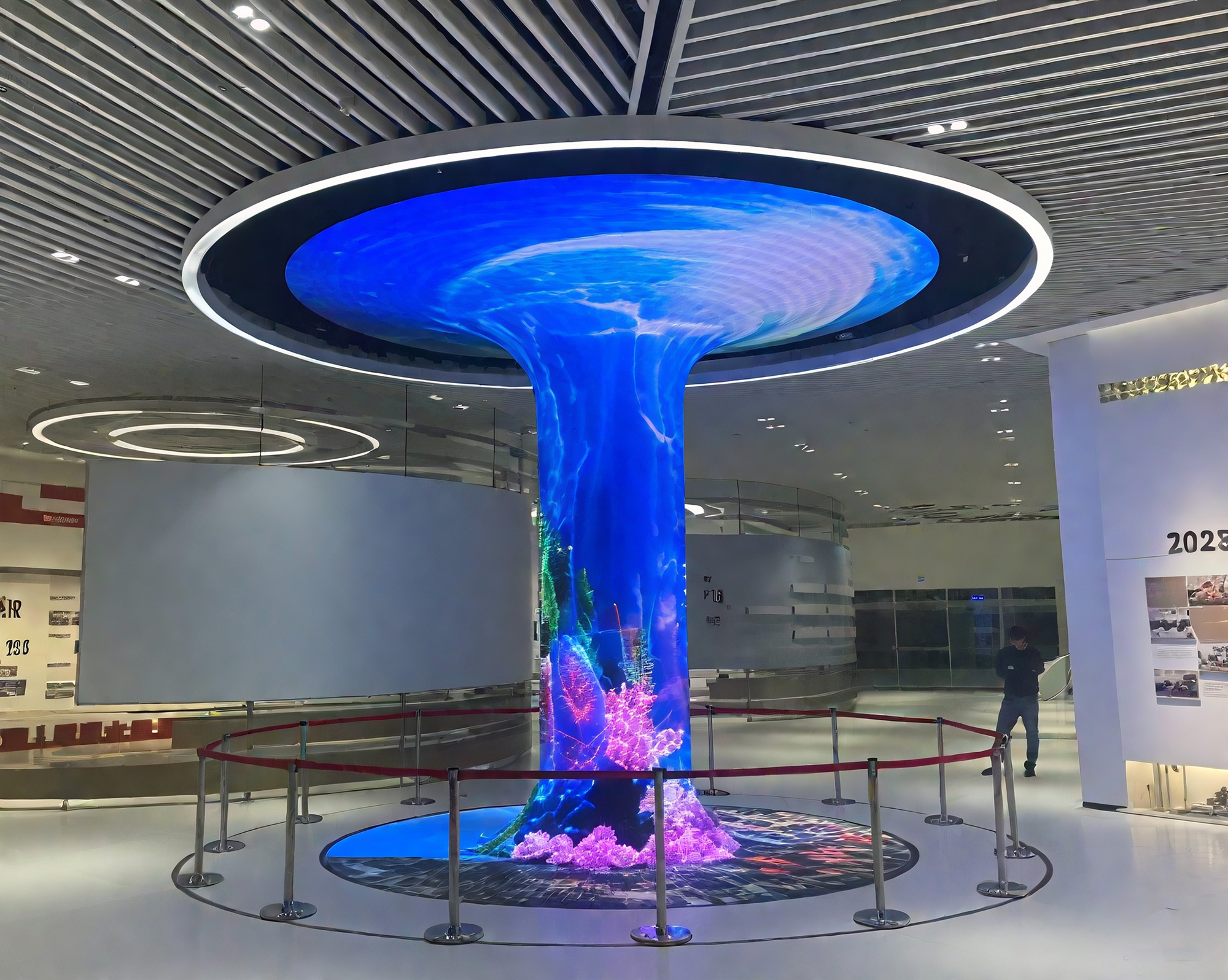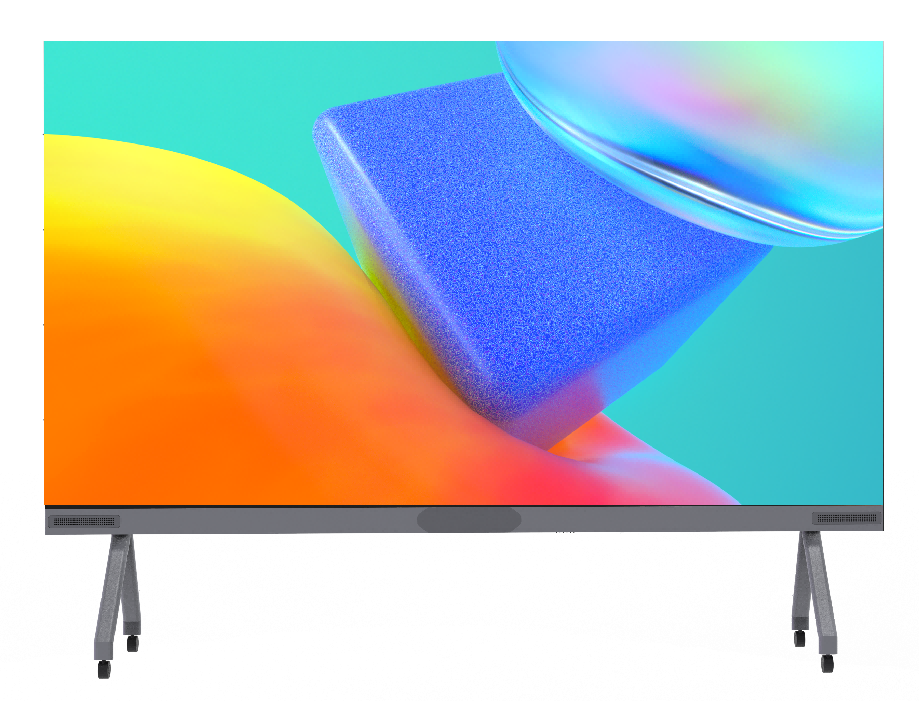
In various control rooms such as power dispatch, security monitoring, emergency command, etc., LED walls are the core visual carriers. Operators stare at the screen to schedule instructions, identify hidden dangers, and coordinate disposal. The clarity and response speed of the screen directly determine the efficiency of control and even affect the safe operation of the entire system. Many people wonder why a seemingly ordinary display screen can adapt to multiple scenarios, achieve high definition, and low latency control? Speaking of which, there is a clever idea of technological iteration behind this, and it cannot be separated from precise adaptation to the actual needs of the control room, which is not as simple as "splicing display".
Core technical support: Low latency control of "underlying passwords"
The most important thing to avoid in control room management is delay - in power dispatch, a one second delay may cause grid faults; During emergency command, images of stuttering can delay the timing of response. The key to achieving low latency with LED walls lies in the support of two major technologies. One is the high-definition driver chip, which is like the "brain" of an LED wall, capable of quickly processing massive control data, avoiding lag and ghosting during signal transmission. In most cases, the delay can be controlled within 10ms, almost achieving "real-time synchronization". The second is seamless splicing technology, which breaks down the gap barriers of traditional splicing screens, not only making the picture more complete, but also reducing signal loss caused by gaps, making instruction transmission smoother. In practice, you will find that even if multiple monitoring screens and scheduling data are connected simultaneously, the LED wall can be stably held without any delay or lag.
High definition display: making control details "nowhere to hide"
The control of the control room cannot be separated from the capture of details - small abnormalities in power lines and subtle changes in monitoring images may be signals of safety hazards. The high definition of LED walls is not simply about "clear picture", but a high-definition presentation that accurately adapts to control needs. It uses high-density LED beads with pixel density far exceeding that of ordinary display screens, which can clearly display various control data and monitoring images. Even small numerical fluctuations and image details can be seen clearly. What's even more considerate is that it supports wide-angle display, allowing operators from different positions in the control room to clearly see the screen content without having to look at it from the same angle, greatly improving control efficiency. Perhaps some people may say that ordinary display screens can also achieve high definition, but in scenarios where the control room is running for a long time, the high-definition display on the LED wall is more stable and there will be no problems with image attenuation or color distortion.
Scenario adaptation: Unlock the "flexible mode" of multi industry control
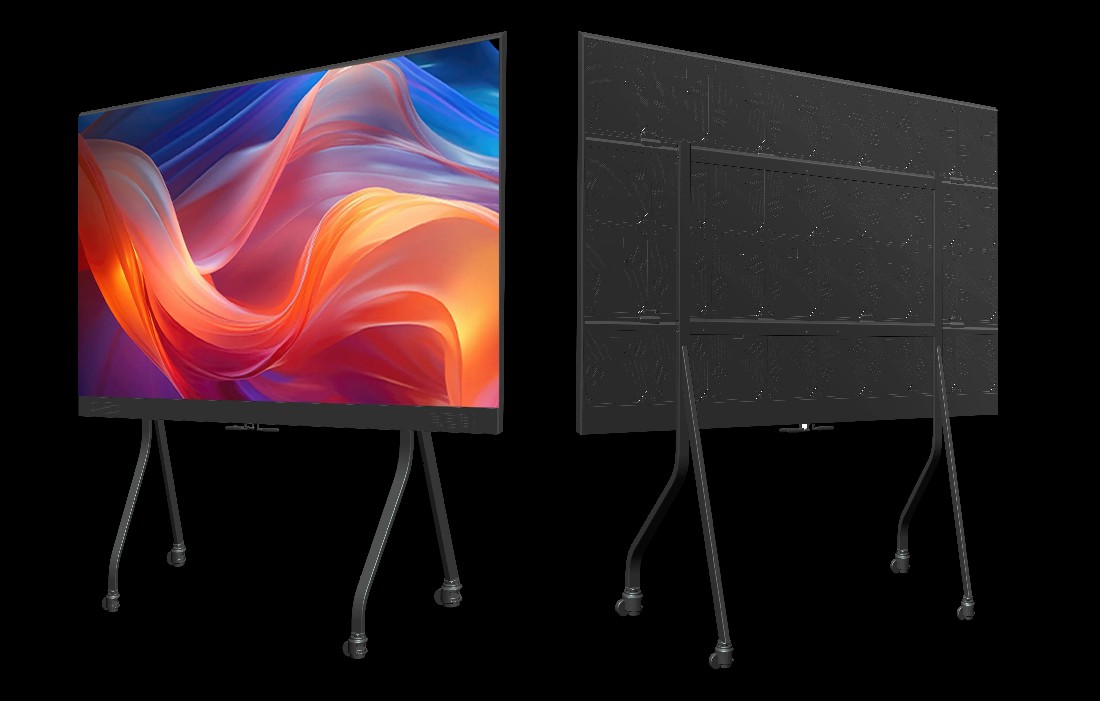
Control rooms in different industries have vastly different control requirements - the power control room needs to display grid operation data, the security control room focuses on monitoring screen linkage, and the emergency command room needs to access real-time multi scene signals. The key to achieving multi scene adaptation of LED walls lies in their modular design and flexible signal access capabilities. Modular design allows it to be freely assembled and combined according to the space size of the control room, whether it is a single large screen in a small control room or a full wall display in a large command center, it can be perfectly adapted. At the same time, it supports multi signal synchronous access and can simultaneously interface with various devices such as surveillance cameras, sensors, and scheduling systems, presenting data, images, and instructions in a centralized manner. Operators can achieve comprehensive control without switching multiple interfaces, which is also the core reason why it can adapt to multiple industries.
Operation and maintenance optimization: enabling executives to control the level of "continuous online"
Most Control room ledwall require 24-hour uninterrupted operation, and once a malfunction occurs, it will directly interrupt the control work. It can achieve long-term stable high-definition and low latency control without convenient operation and maintenance design. The LED wall adopts point by point calibration technology, which can automatically calibrate the color and brightness of the image, avoiding problems such as uneven brightness and color deviation, and reducing manual maintenance costs. Moreover, its fault self checking function is very practical, which can monitor the operation status of every LED and module in real time. Once a fault occurs, it will issue a prompt in a timely manner, and maintenance personnel can quickly locate the fault point and replace the module without the need for large-scale shutdown maintenance. In my opinion, this "easy to operate and highly stable" design truly meets the long-term control needs of the control room.
In fact, the LED wall in the control room achieves multi scene, high-definition, and low latency control, which is essentially the result of "technical adaptation requirements". It has no complex design gimmicks, every technology and function is designed to solve the actual pain points of the control room - making control more efficient, details more precise, and operation more stable. Whether in the fields of power, security, or emergency command, as long as the appropriate LED wall is selected, the control room's control capability can be taken to the next level, which is also the key to it becoming the core equipment of various control rooms.