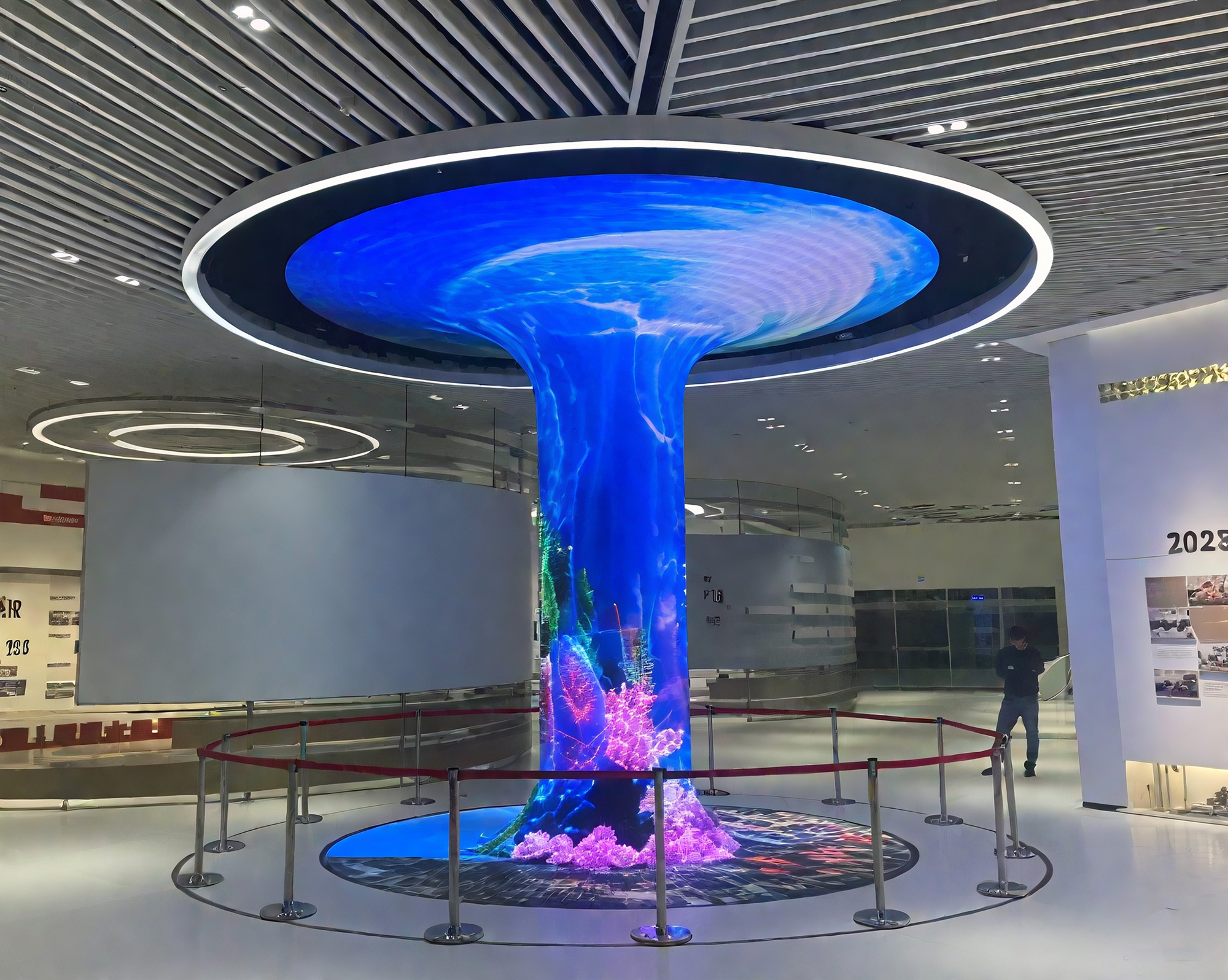
The popularity of flexibleled lies in its "flexibility" - whether it is curved shape, irregular corners, or concealed installation, it can be easily adapted. Whether it is home decoration, store decoration, or outdoor lighting, its presence can be seen. But many people overlook that although flexible LEDs are flexible, there are many hidden tricks in their installation. Many friends try to save time by simply pasting and connecting wires, but soon they encounter problems such as flickering, not lighting up, and falling off, which is not worth the loss. Today, based on practical installation experience, I will talk to you about the precautions for flexibleled installation, which are practical and effective measures to avoid pitfalls.
Selection and adaptation: Choose the right model first, and installation will be half successful
Many people only look at the appearance and brightness before installation, without considering the usage scenario, which is actually the easiest pit to step on. flexibleled is available in both indoor and outdoor versions, with significant differences in waterproof rating and temperature resistance. Choosing the wrong option can lead to problems within a short period of time.
Indoor installation, such as wardrobes, ceilings, and background walls, choosing ordinary indoor models is sufficient, with a focus on whether the color and brightness meet the requirements; But if it is outdoors, such as balconies, doorways, or courtyards, it is necessary to choose a style with a waterproof rating of IP65 or above, otherwise it is easy to cause short circuits and damage to the light beads after being exposed to wind and rain. In addition, it also depends on the power supply voltage. For household use, a 12V low-voltage model is generally chosen for safety and stability. For industrial or large-scale installations, a 24V model can be selected according to the needs. Do not blindly pursue high voltage, which may increase safety hazards.
Installation and fixation: Flexibility does not mean that it can be bent freely
The "flexibility" of flexibleled refers to the ability to conform to curved surfaces, not to bend or twist arbitrarily. Many people install it by bending it hard or sharply in order to fit the shape, unaware that this can easily damage the internal wiring and light beads. In the later stage, some parts may not light up, and in severe cases, the entire light strip may be scrapped.
The correct approach is to follow the minimum bending radius specified in the product instructions when bending, which is generally not less than 5 times the width of the light strip. Try to bend slowly along the direction of the light strip and avoid repeated bending at the same position. When fixing, the indoor flat wall can be covered with the built-in 3M adhesive. Before pasting, the wall must be wiped clean to remove dust and oil stains, otherwise it will not stick firmly and will fall off after a period of time; For outdoor or rough surfaces, it is recommended to use snap fasteners for double protection and greater stability.
Wiring operation: Insufficient details, fault found at door
The wiring may seem simple, but it is the key to the installation of flexible LEDs, and many faults occur in this step. First of all, pay attention to the positive and negative poles. The positive and negative poles of the light strip and the driving power supply must correspond. Connect the positive pole to the positive pole and the negative pole to the negative pole. If you connect them in reverse, not only will they not light up, but it may also burn out the driving and light strip. Don't be careless about this.
Secondly, insulation treatment should be done well during wiring, wrapped tightly with insulating tape, especially for outdoor installation. Waterproof sealing should also be done to prevent rainwater from infiltrating the interface and causing short circuits. In addition, if the length of the light strip is not enough and needs to be spliced, a dedicated joint must be used instead of direct welding. Non professional welding can easily damage the circuit, and the joint should be fixed properly to prevent poor contact. Another point is that the power of the driving power supply should match the light strip. Insufficient power can cause insufficient brightness and flickering of the light strip. It is recommended that the driving power be about 20% higher than the total power of the light strip.
Post maintenance: Do these things well to extend the service life
Installation completion does not mean everything is fine, and later maintenance is also important. Proper maintenance can extend the service life of flexible LEDs by several years. In daily use, avoid scratching the surface of the light strip with sharp objects to prevent the light beads from being scratched; Regularly clean the dust on the surface of the light strip. Excessive dust accumulation can affect heat dissipation and accelerate the aging of the light beads.
The waterproof condition of the interface of the outdoor installed light strip can be checked before the rainy season every year. If aging or loosening is found, it should be replaced in a timely manner; If the indoor light strip does not light up locally, it is likely due to poor contact or damage to the light beads. You can first check the joint, then inspect the light beads, and repair and replace them in a timely manner. In fact, the maintenance of flexible LEDs is not complicated. As long as more Dim sum are provided, many unnecessary troubles can be avoided.
In fact, the installation of flexibleled is not as difficult as imagined. As long as we avoid the pitfalls of selection, fixation, and wiring, and do a good job of post maintenance, we can leverage its advantages and create satisfactory lighting effects. After all, a good installation can not only ensure the effectiveness of use, but also save the trouble of repeated maintenance in the later stage. Why not do it?