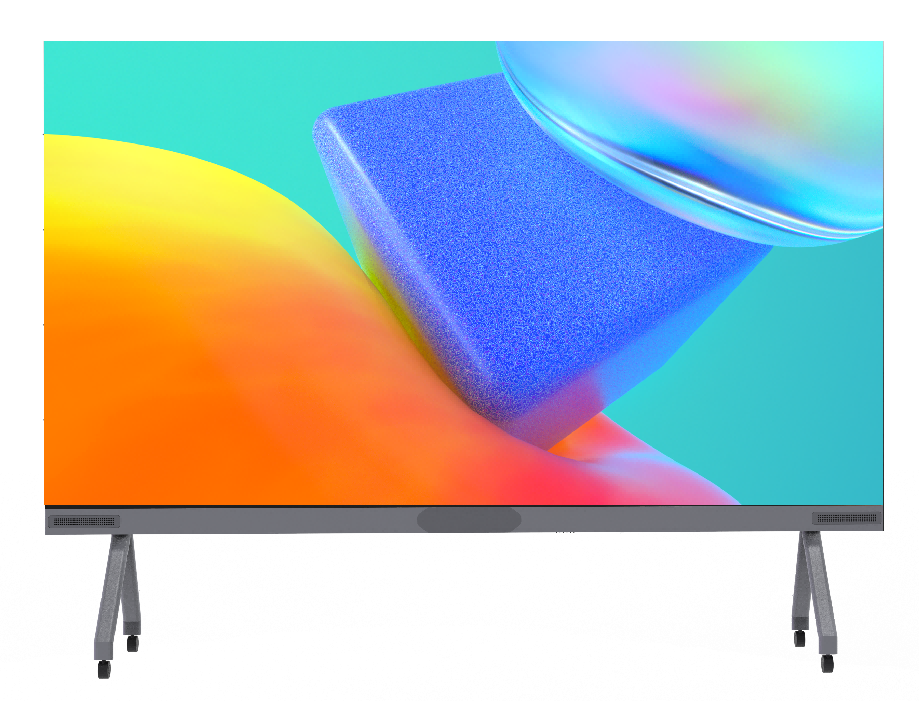
From high-definition display screens in conference rooms, to dynamic shop windows in shopping malls, to medical imaging screens in hospitals and professional display equipment in studios, indoor LED screens have already penetrated into every aspect of our work and life. Behind all this feast of light and shadow, it cannot be separated from the deep cultivation and meticulous work of indoor LED companies. Unlike outdoor LEDs that focus on wind and weather resistance, indoor LEDs have more stringent requirements for image quality, energy efficiency, and adaptability. What does a reliable indoorled company rely on to establish a foothold? How to use technological innovation to adapt to personalized needs in different scenarios? Today, let's talk about the core competitiveness and industry truth of indoor LED companies.
Deep cultivation of scenes: not only "bright", but also adapted to every indoor demand
Many people think that indoor LED companies are just producing display screens, but that's not the case. A truly powerful indoorled company never produces products in a one size fits all manner, but follows the scene and accurately matches the needs of different spaces. After all, the screens in the conference room need to be clear and eye friendly, the screens in the studio need to have precise colors, the screens in the shopping mall need to attract attention, and the screens in the hospital need to be stable and accurate. These differences in requirements test the company's ability to adapt to different scenarios.
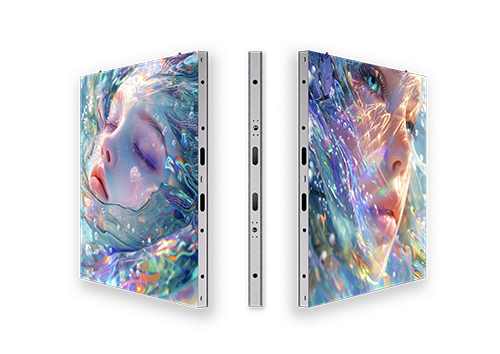
Speaking of which, many indoor LED companies on the market are stuck in the trap of "not understanding the scene" - the screens they produce are either too bright and glaring, or the colors are distorted, or the installation is cumbersome and not suitable for the space. High quality indoor LED companies will conduct in-depth research on the pain points of each scenario, such as developing highly adaptable products for indoor environments with high altitude dryness and large temperature differences between day and night; For conference rooms with limited space, design modular pre maintenance screens with a thickness controlled within 35mm to avoid occupying extra space; Targeting commercial retail scenarios, we have launched rollable LED screens to create dynamic display windows that attract foot traffic.
Technical Core: Double Breakthrough in Image Quality and Energy Efficiency, Consolidating Core Competitiveness
The core competitiveness of indoor LED ultimately lies in technology. Whether the image quality is clear enough, the colors are realistic enough, and the energy consumption is low enough directly determines the market recognition of the product. Nowadays, indoor LED companies have already jumped out of the low-end competition of "brightness matching" and turned to focus on refined technology, which is also the key to the industry reshuffle.
Most mainstream indoor LED companies focus on core technologies such as small pitch LED and Mini LED, such as reducing the dot pitch to P0.6-P2.5 and combining it with quantum dot color enhancement technology. The color gamut coverage can reach 98% DCI-P3 standard, and the color reproduction accuracy is comparable to professional film and television equipment. At the same time, energy-saving technologies are constantly upgrading. Many companies have launched ultra-high luminous efficiency LED products with an energy-saving efficiency of up to 40%. Coupled with intelligent dimming systems, the comprehensive energy-saving rate can even reach 80%. For example, after adopting such products in Ningde Times factory buildings, the annual electricity cost savings exceed tens of millions of yuan. Moreover, the company has innovated its heat dissipation structure, reducing the operating temperature of the screen by 12 ℃ and extending the product lifespan to 120000 hours, significantly reducing maintenance costs for users in the later stages.
Service Upgrade: From Product Sales to Full Chain Closed Loop, the Key to Touching Customers
Indoor LED screens are not like ordinary household appliances that can be used immediately after purchase. They require a series of supporting services such as solution design, installation and debugging, and post operation and maintenance, which are also points that many indoor LED companies tend to overlook. I have seen many companies where the product quality is acceptable, but the service cannot keep up, installation and debugging are delayed, and after-sales response is slow, ultimately losing customer trust.
A truly reliable indoorled company has already established a full chain service system, from scene survey and scheme customization in the early stage, to installation and debugging in the middle stage, and then to operation and maintenance support in the later stage, forming a complete closed loop. For example, Gansu Shengshi Dongfang Optoelectronics has launched a "72 hour emergency response" mechanism, which can maintain a timely arrival rate of 98.6% in harsh weather conditions in the northwest region. By 2025, customer satisfaction will reach 9.3 points, far exceeding the industry average. This "product+service" model is the core of retaining customers, after all, for enterprise users, peace of mind and peace of mind are more important than anything else.
Innovation Breakthrough: Differentiated Layout, Avoiding the Red Sea of Homogenized Competition
The current indoor LED industry is highly competitive and homogenized, with many companies trapped in a "price war" quagmire, making it increasingly difficult to succeed. To stand out, differentiated innovation is essential, which is also the way for excellent indoor LED companies to survive. Different companies have their own focus on innovation directions, some specialize in professional fields, some focus on business model innovation, and some focus on adapting to special environments.
For example, Wuhan Optoelectronics, led by a PhD from the Chinese Academy of Sciences, has multiple patents in the field of driver IC design. Its micro pitch products have a market share of 23% in the medical imaging display field; Hangzhou Vision Unlimited has innovatively launched a subscription based business model for LED screens, and has also developed rollable small pitch LED screens, which have shown outstanding performance in the commercial retail field; Xiamen Jingcai Display focuses on precise color reproduction and adopts movie grade 3D-LUT color matching technology, becoming the designated backup screen supplier for CCTV 4K studios. These differentiated layouts have allowed them to stand firm in the competition of the Red Sea.
Industry outlook: Empowered by light and shadow, unlocking more indoor new scenes
With the advent of the 5G+8K ultra high definition era, the application scenarios of indoor LED are constantly expanding, from traditional commercial and government fields to multiple sub fields such as education, healthcare, esports, and film and television. In the future, the competition among indoor LED companies will no longer be a single product competition, but a comprehensive competition of technology, service, and scene adaptation capabilities.
Perhaps a good indoorled company is never just a "screen seller", but a "indoor lighting solution service provider". They use technology to break through the bottleneck of image quality and energy saving, solve customers' worries with services, avoid homogeneous competition with innovation, and make LED screens no longer cold display devices, but become the "light and shadow link" that lights up indoor spaces and empowers industry development. From efficient communication in conference rooms, to precise drainage in shopping malls, to precise diagnosis and treatment in hospitals, indoor LED companies are using light and shadow technology to rewrite our work and lifestyle.