The procurement quality of indoor LED screens directly determines the scene usage experience and long-term operating costs, and the selection of suppliers is the core key. Faced with a dazzling array of suppliers in the market, customers are prone to difficulties such as low price temptation, parameter false labeling, and lack of after-sales service. Based on the five core issues of product quality, pricing, delivery, after-sales service, and customized adaptation that customers are most concerned about, this article has compiled a scientific and practical indoor LED supplier selection strategy to help customers avoid pitfalls, accurately screen high-quality partners that meet their own needs and have high cost-effectiveness, and ensure worry free procurement and safe use.
Prioritize verifying product quality and building a solid foundation for procurement. Quality is the core of indoor LED screens, and when selecting, it is important to focus on the compatibility of core parameters with industry standards. Clarify the requirements of one's own scene (such as emphasizing clarity in conference rooms and visual effects in exhibition halls), verify whether the pixel spacing, refresh rate, brightness and other parameters of the supplier's products match, and require the supplier to provide clear pixel failure rate and brightness attenuation standards to ensure compliance with industry standards [SJ/T 11141-2017]. At the same time, it is possible to request a review of product samples, testing reports, and past cases, with a focus on identifying issues such as bright spots and flicker, in order to avoid purchasing inferior products and reduce maintenance and replacement costs in the later stages.
Clarify the pricing system and avoid implicit charges. Transparent pricing is an important prerequisite for selecting suppliers. It is necessary to clarify the supplier's pricing logic, confirm whether the quotation includes full process costs such as module fees, installation fees, and control system fees, and reject vague quotations. For bulk procurement needs, it is necessary to negotiate tiered discounts in advance, clarify discount standards and thresholds. At the same time, multiple parties should compare the reasonable pricing range in the market and be wary of low quotes. Such suppliers often have hidden traps such as cutting corners and adding maintenance fees in the later stage. Priority should be given to suppliers with transparent pricing, no hidden charges, and balanced cost-effectiveness.
Consider delivery and installation capabilities to ensure project timeliness. Indoor LED procurement often involves on-site installation and commissioning, and the delivery and installation capabilities of suppliers directly affect project progress. When selecting, it is necessary to clearly inquire about the full cycle from placing the order to installation and commissioning, and require the supplier to provide on-site survey, scheme design, installation and commissioning services throughout the entire process. Especially for large projects such as government halls and large exhibition halls, it is necessary to confirm that the supplier has a professional installation team that can avoid damaging the on-site decoration during the installation process, ensure that it does not affect its normal operation, and agree on the liability for breach of contract due to delivery delay to ensure the timely landing of the project.
Emphasize after-sales support and reduce long-term risks. Indoor LED screens are long-term equipment, and after-sales support is crucial. Priority should be given to suppliers with clear warranty periods (usually no less than 1-3 years) and promised response times (such as on-site visits within 24 hours). The types of faults and repair services included in the warranty scope should be clearly defined to avoid buck passing during the warranty period. At the same time, inquire about the maintenance cost standards after the warranty period, confirm that the supplier has a long-term stable after-sales team and parts supply capability, especially for 7 × 24-hour operation scenarios such as hospitals and command centers, to ensure that faults can be quickly resolved and downtime losses can be reduced.
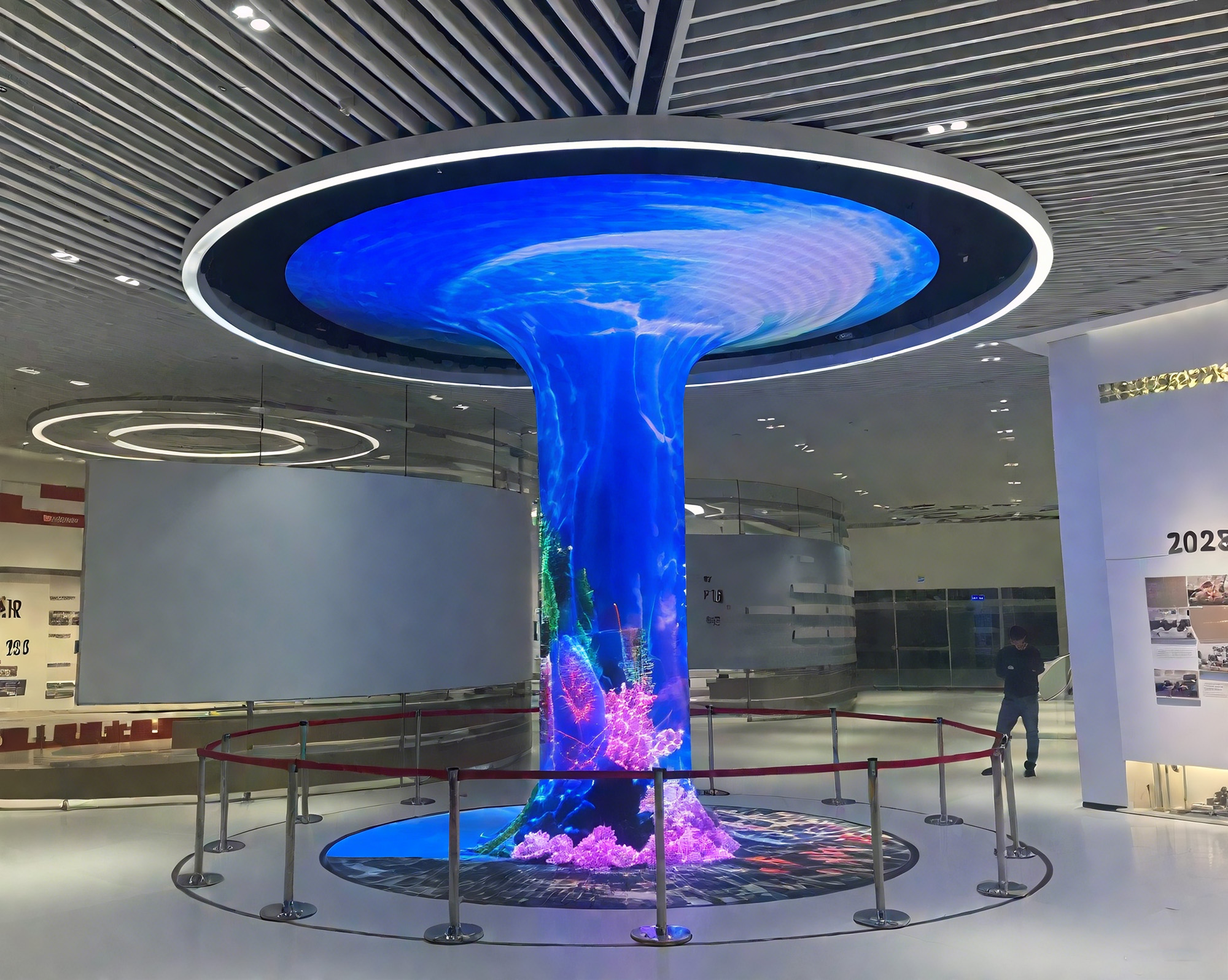
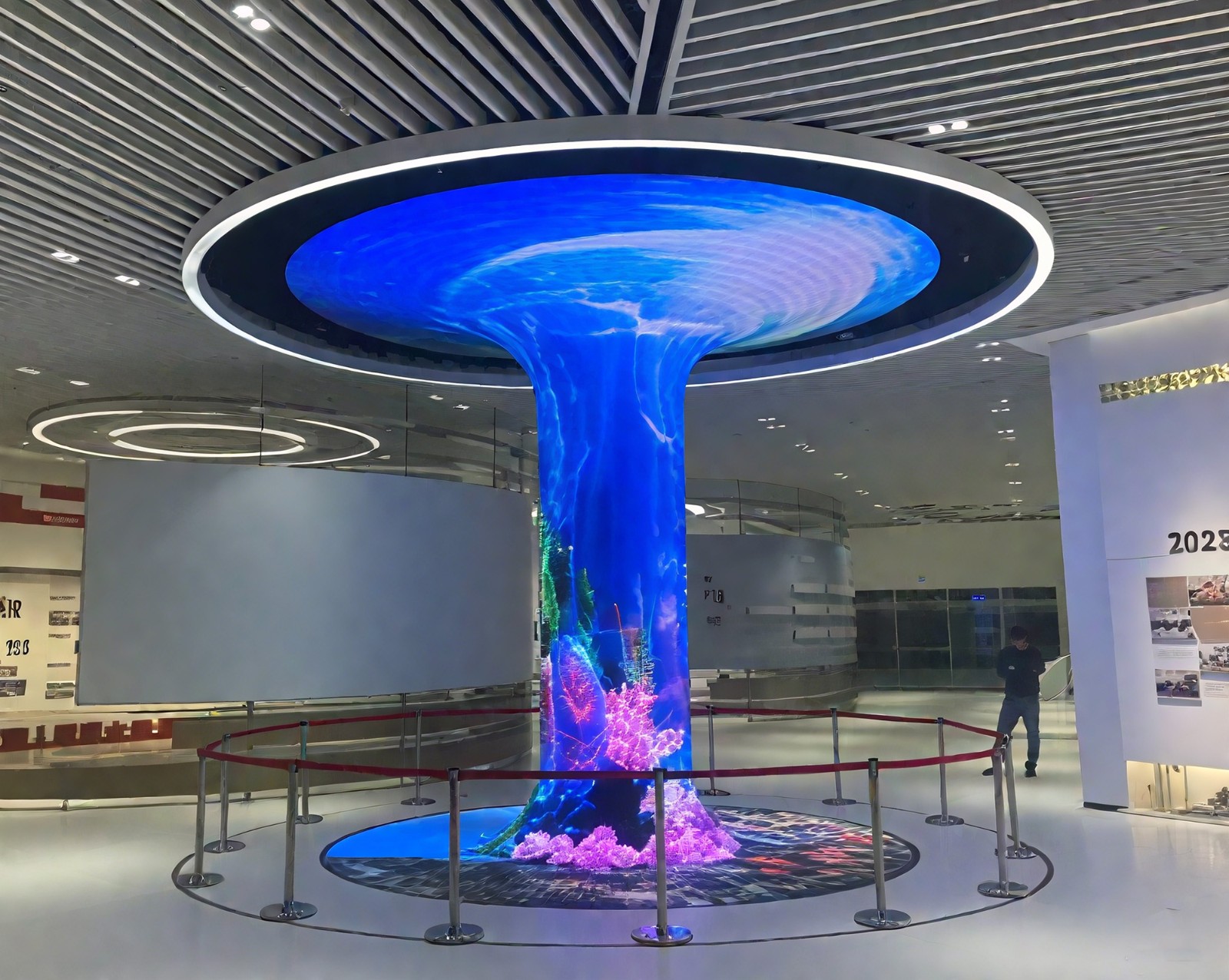
Pay attention to customized adaptation to meet personalized needs. The demand for indoor LED screens varies greatly in different scenarios. When selecting a supplier, it is necessary to confirm that they have the ability to provide customized services and can adapt to special needs such as irregular screens, curved screens, and transparent screens. At the same time, suppliers are required to professionally recommend product specifications (such as small pitch P1.0-P2.5) that are suitable for their own scenarios (such as stores, university classrooms), and ensure that the products are compatible with their existing equipment and industrial protocols to avoid problems where the products are not compatible with the scenario and cannot be used normally.
In summary, the selection of indoor LED suppliers should revolve around five core dimensions: quality, pricing, delivery, after-sales service, and adaptability. Through comprehensive verification and multi-party comparison, blind pursuit of low prices should be rejected, and suppliers with standard parameters, transparent pricing, comprehensive services, and adaptability needs should be prioritized. Only through scientific screening can we maximize the cost-effectiveness of procurement, avoid the risks of later use, truly unleash the value of indoor LED screens, and empower our own scenarios.