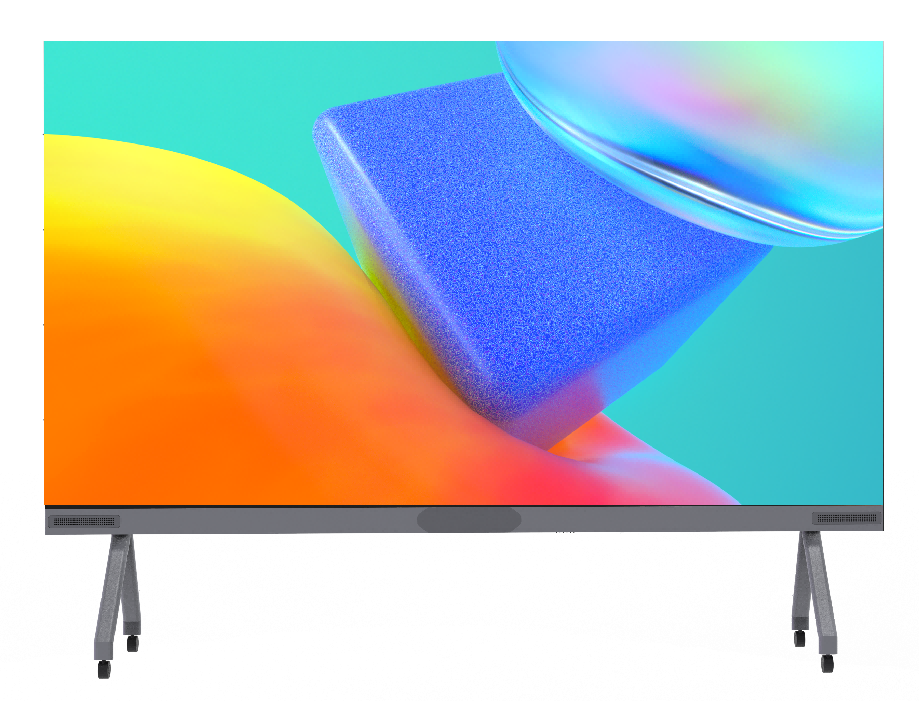
As the core hub for various scene control, the control room undertakes key functions such as real-time monitoring, data analysis, and emergency dispatch. As the visual core carrier of the control room, the display effect of the LED wall directly determines the efficiency of control and the quality of decision-making. Among them, the two core functions of ultimate high-definition and seamless splicing have broken the limitations of traditional display devices, reconstructed the visual presentation system of the control room, provided solid support for efficient control, and become an indispensable core configuration of modern control rooms.
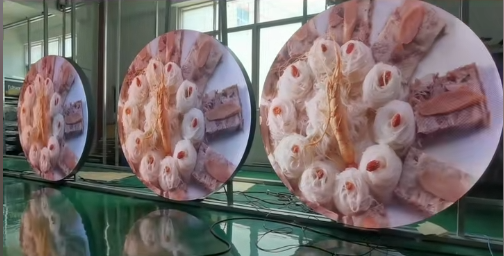
Ultimate high-definition is the core competitiveness of LED walls in control rooms, and it is also the fundamental prerequisite for meeting precise control needs. Unlike ordinary display devices, the Control room ledwall relies on high-density pixel arrangement and advanced color rendering technology to achieve ultra-high resolution visual presentation. Whether it is subtle monitoring images, complex data analysis charts, or dynamic process trajectories, they can be clearly restored without blurring, ghosting, or color cast. In the control room scene, even small abnormalities in the monitoring screen and subtle fluctuations in the data report can affect decision-making. The ultimate high-definition display effect allows staff to accurately capture every detail, avoiding misjudgments caused by visual blur and providing reliable guarantees for efficient decision-making.
The seamless splicing function completely breaks the dilemma of fragmented images in traditional display devices and constructs a fully integrated visual space. Traditional control rooms often use multiple displays spliced together, inevitably resulting in splicing gaps, which not only affect the visual experience, but also may cause image discontinuity and miss key information. Especially in large-scale monitoring and panoramic scheduling scenarios, the drawbacks brought by gaps are more obvious. The Control room ledwall achieves perfect connection of multiple unit modules through seamless splicing technology, with no gaps at the splicing points, presenting a complete and coherent panoramic image, allowing staff to have global control over the control scene without switching between multiple images, greatly improving management efficiency.
The organic combination of ultimate high-definition and seamless splicing not only optimizes the visual experience, but also empowers the control room to achieve diversified control needs. In various control rooms, staff need to simultaneously view multi-source information, monitor the entire scene, and analyze core data. The high-definition seamless LED wall can achieve synchronous presentation of multi-source information, ensuring both the integrity of the image and the clarity of the information, making multi-dimensional information clear at a glance. At the same time, the advantage of seamless splicing flexibility is that the size and layout of LED walls can be flexibly adjusted according to the size of the control room space and control requirements, adapting to the usage needs of different scenarios. Whether it is precise monitoring in small control rooms or panoramic control in large dispatch centers, it can be perfectly adapted.
As the visual core of the control room, the ultimate high-definition and seamless splicing function of the LED wall not only solves the pain points of traditional display devices, but also promotes the upgrade of the control room management mode. High definition display ensures the accuracy of information transmission and seamless integration achieves the integrity of information presentation. The two complement each other, allowing staff to quickly capture key information, accurately assess the situation, and efficiently dispatch and handle it, safeguarding the safe and stable operation of various scenarios. Under the trend of digitalization and intelligent control, ultimate high-definition and seamless splicing will continue to be the core advantages of LED walls in control rooms, continuously strengthening the visual core of control rooms and empowering control work to improve quality and efficiency.