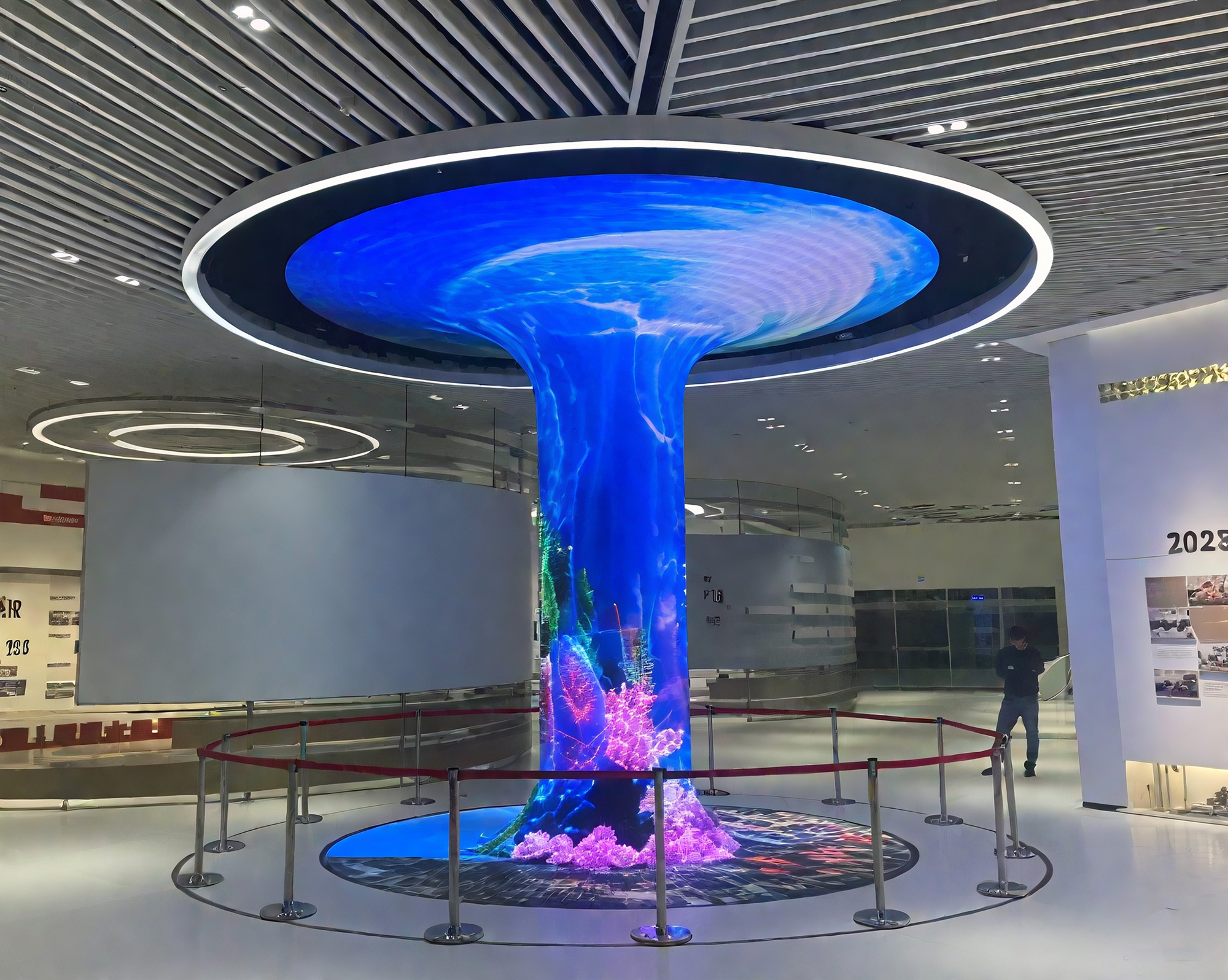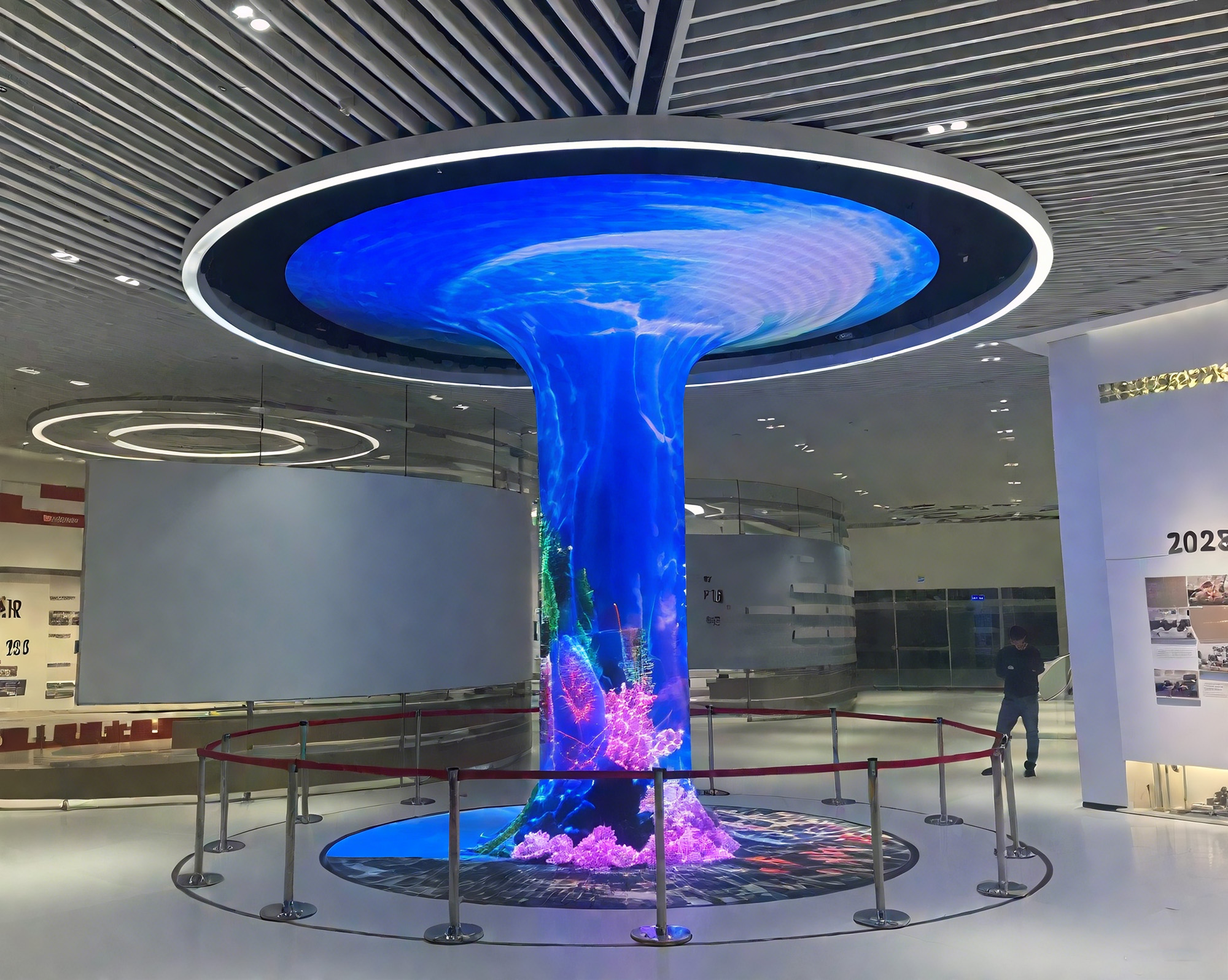
In the current era where light and shadow technology deeply integrate with design aesthetics, creativeleds have long surpassed the attributes of traditional lighting tools, becoming the core medium for reshaping spatial temperament and creating immersive visual experiences. From commercial complexes to home settings, from cultural tourism and night tours to art exhibitions, creativeleds, with their flexible forms, rich light and shadow variations, and intelligent interactive capabilities, break spatial boundaries and visual limitations, injecting unique aesthetic tension into every scene and unlocking new possibilities for spatial visual expression.
Traditional lighting equipment has a single function, with basic lighting as its core, which is difficult to meet the modern space's demands for atmosphere, personalization, and interactivity. Ordinary lamps have fixed shapes and monotonous lighting effects, which cannot adapt to the visual demands of different scenes, let alone achieve emotional resonance with space users. With the upgrading of consumption and iteration of design concepts, people's expectations for space are no longer limited to practical functions. They pursue a dual satisfaction of visual beauty and experience. The emergence of creativeleds has filled this gap, making lighting the "finishing touch" in space design.
creativeleds reconstruct spatial visual logic through diverse forms and light and shadow play. From flexible light strips, shaped light strings to holographic projection screens and interactive sensor lights, the form design of creativeleds has become increasingly flexible, adapting to complex spatial structures such as curved surfaces and corners, achieving a concealed aesthetic effect of "seeing light but not seeing lights". In home scenarios, embedded LED light strips can outline ceiling and background wall lines, and the free switching between warm and cold light can create different atmospheres such as warmth and minimalism; in commercial spaces, programmable LED screens can create dynamic light and shadow walls, combining brand elements to achieve immersive marketing, allowing consumers to feel the charm of the brand in light and shadow.
Intelligent interaction and technology empowerment enhance the visual experience of creativeleds, making it more layered and interesting. Leveraging technologies such as the Internet of Things and AI, creativeleds can achieve functions like remote control via mobile phones, voice regulation, and sensor triggering. Users can adjust brightness, color, and lighting modes in real-time according to their needs. In cultural tourism scenarios, interactive LED floors can capture human movements and generate synchronized lighting feedback, allowing visitors to become participants in the light and shadow show. In art exhibitions, LED lighting installations blend with paintings and sculptures, telling artistic stories through dynamic lighting changes, providing a multi-sensory visual feast for the audience.
Green environmental protection and sustainability make creativeleds the preferred choice for modern space design. Compared to traditional lighting fixtures, LED light sources consume less energy, have a longer lifespan, and emit no harmful gases, aligning with the design concept of low-carbon environmental protection. At the same time, creativeleds can reduce light pollution through precise light control, creating a visual experience while also considering the comfort and ecology of the space. Whether it's large-scale application in public spaces or personalized matching in private settings, creativeleds can maximize visual effects while saving energy and reducing consumption.
From illuminating spaces to empowering scenarios, creativeleds use light and shadow as a medium to redefine the relationship between space and vision. They are not only lighting tools, but also expressers of spatial aesthetics and creators of experiential feelings. In the future, with the continuous iteration of technology, creativeleds will achieve richer lighting effects and smarter interaction modes, unlocking new visual possibilities in more scenarios and bringing people a spatial experience with more texture, warmth, and creativity.