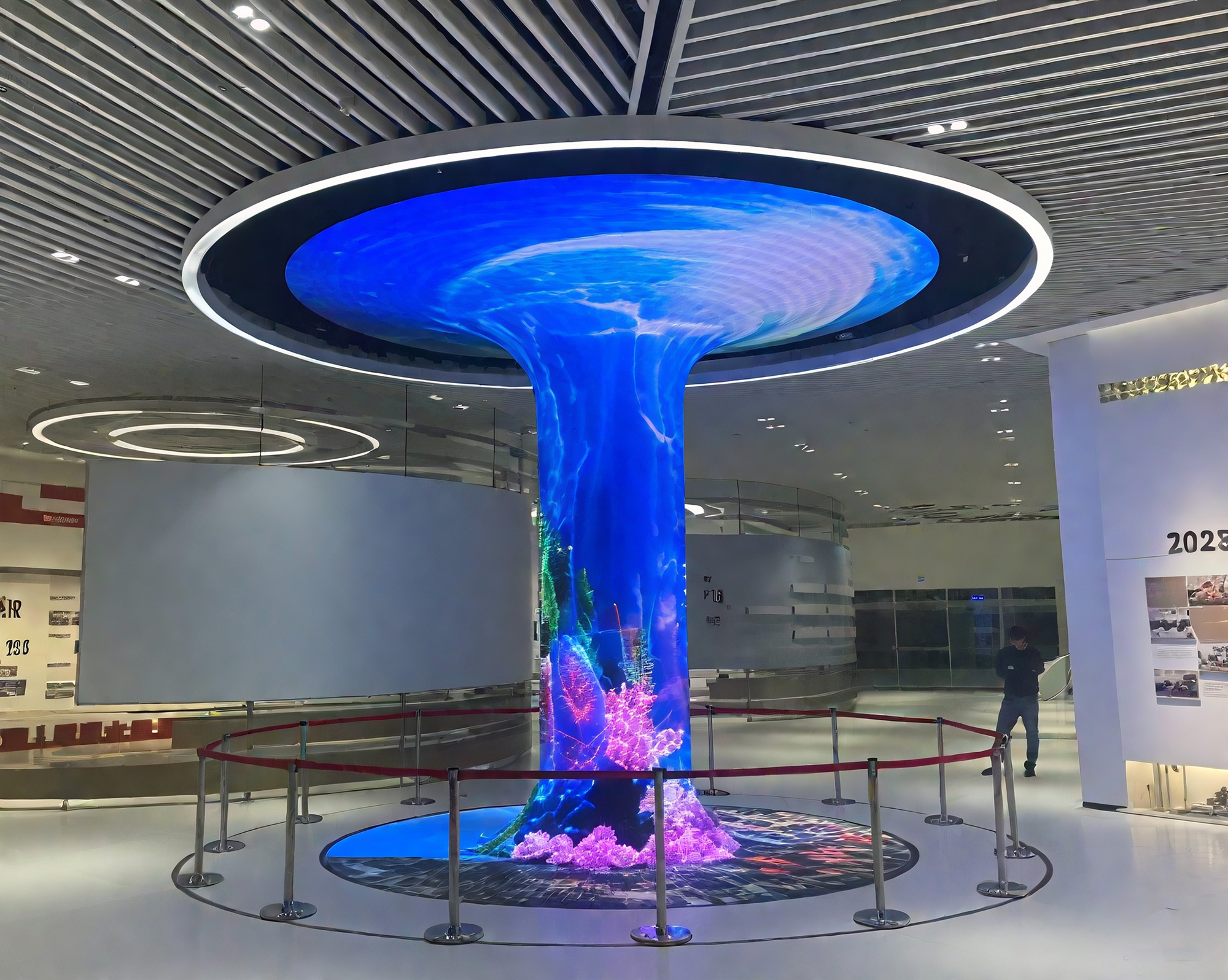
The LED display screen on the stage has never been a mere "display tool", but rather an "amplifier" for the performance atmosphere and a "carrier" for creative expression. Many organizers, filled with joy, invested their budgets, only to stumble over details such as refresh rate and cabinet material - either experiencing water ripples across the screen during live broadcasts, or having the cabinet deformed after frequent handling, or encountering safety hazards after installation. Speaking of which, the pitfalls of choosing a stage LED screen are not obvious, but rather hidden in the details. Today, starting from the core pain points, we will thoroughly analyze the key points to avoid when selecting refresh rate, cabinet material, and installation structure, helping you steer clear of those invisible "hidden losses".
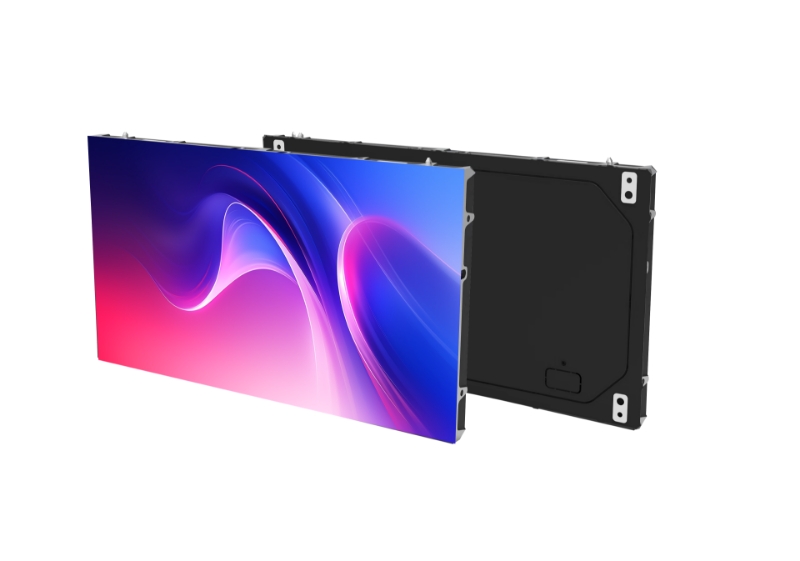
Refresh rate: Don't be fooled by "digital games", live streaming scenario is the most crucial
Many businesses frequently advertise "ultra-high refresh rates" and often label them as 1000Hz+ or higher. However, in practical use, screen flickering and ghosting still occur during live streaming. This is not due to bad luck, but rather a failure to grasp the core needs of stage settings. Stage screens differ from ordinary advertising screens, as they are mostly subject to camera shooting and live broadcast relay. The "practicality" of refresh rate is far more important than the "numerical value".
For ordinary performances, a frequency of 300Hz may suffice, but when it comes to live streaming or recording, it is recommended to directly target a frequency of 600Hz or higher. For high-end stages, specifications of 3840Hz or higher can even be considered. This will prevent the appearance of unwanted strip-like water ripples during filming. A simpler detection method is to aim a mobile phone at the screen and take a photo. If the image is smooth and flicker-free, it is truly qualified. Don't be fooled by the "peak refresh rate" gimmick used by merchants. Instead, ask about the "normal refresh rate". After all, for stage performances, stability is much more important than gimmicks.
Box material: It's not the more expensive, the better. It's the compatibility with the scene that matters
The box body of the stage screen is like the "skeleton" of a person, which not only provides stability for the screen but also determines the convenience of handling and use. There are three mainstream types on the market: steel, die-cast aluminum, and aluminum profiles. There is no absolute good or bad, only suitability or unsuitability.
Steel boxes are low-cost, sturdy, and have strong load-bearing capacity, making them suitable for outdoor fixed stages or projects with limited budgets. However, their weight is quite heavy, with each box weighing 20-30kg, making frequent handling quite strenuous, and the precision of assembly is also average. Die-cast aluminum boxes are currently the mainstream in stage rental. The integrated die-casting process allows the assembly gap to be controlled within 0.2mm, and the weight is half that of steel, with good thermal conductivity, eliminating the need for additional cooling fans, although the price is slightly higher. Aluminum profile boxes offer a balanced cost-performance ratio, with a weight between the two, suitable for indoor small and medium-sized stages, although their structural strength is slightly inferior to die-cast aluminum.
When making actual choices, for rental stages that are frequently dismantled and assembled, die-cast aluminum is preferred; for outdoor stages that are fixed and immovable, steel is also a viable option, and there is no need to blindly pursue high-priced materials.
Installation structure: Safety first, flexible adaptation to stage requirements
Stage settings are ever-changing, ranging from indoor theaters to outdoor plazas. Some require rapid setup and transition. Choosing the wrong installation structure not only affects the effect but may also pose safety hazards. Many people overlook this point and simply copy the installation methods of other settings, which ultimately leads to either slow installation that delays rehearsals or insufficient stability that leaves people on edge.
Indoor stages commonly utilize truss hangers, which are flexible and do not occupy floor space, making them suitable for high-altitude displays. However, it is essential to calculate the load-bearing capacity of the truss and reserve a 30% dynamic load margin to prevent the screen from falling. Outdoor stages often adopt steel structure supports, which require waterproof and rust-proof treatment, as exposure to wind and rain can greatly damage the equipment. For rental stages, modular installation with quick locks is preferred, allowing a single person to complete the splicing of a screen in just a few minutes, greatly saving transition time.
For curved surfaces and irregular stages, it is necessary to customize curved cabinets and brackets. Do not take the easy way out by using ordinary cabinets and just fitting them together, as this will result in gaps in the image, affecting the overall visual effect.
Avoiding pitfalls and wrapping up: Three details to help you avoid detours
In addition to the three core points, there are several minor details that are easily overlooked. For example, in terms of splicing accuracy, if you touch the surface of the screen with your hand and feel unevenness, there will definitely be faults in the later display. Regarding heat dissipation, with dense stage equipment, poor heat dissipation will accelerate the decay of LED beads and shorten the lifespan of the screen. As for after-sales service, stage performances cannot tolerate any errors. It is essential to inquire about the response time of the merchant, and it is best to have spare modules to avoid any failure that cannot be remedied in time.
The choice of stage LED screen essentially boils down to "compatibility". There's no need to blindly pursue high-end specifications, nor should one settle for inferior products just to save money. It's crucial to consider the performance scenario and usage frequency, and thoroughly understand the details such as refresh rate, cabinet material, and installation structure. This approach ensures both optimal performance and avoids unnecessary losses. After all, a spectacular performance cannot tolerate any oversight in detail.